
Partnerships to Help Create a Greener Company
Building a greener company is no longer a trend or a branding exercise. It has become a practical and ethical responsibility for businesses across industries. As environmental concerns continue to grow, organizations are being held to higher standards by customers, employees, investors, and the communities they serve. Stakeholders increasingly expect companies to operate in ways that reduce environmental impact while supporting long term sustainability, responsible resource use, and social accountability. Companies that fail to adapt risk falling behind competitors who are actively aligning their operations with environmental priorities.
Sustainability is also closely tied to operational efficiency and long term cost management. Reducing waste, conserving energy, and optimizing resource use often lead to lower expenses and more resilient business models. Beyond financial benefits, greener practices contribute to healthier workplaces, improved employee morale, and stronger public trust. Businesses that take environmental responsibility seriously are often viewed as more reliable, forward thinking, and committed to long term success.
No business operates in isolation. Daily operations depend on a wide range of external services, including waste management, construction, facility maintenance, utilities, and pest control. Each of these areas plays a meaningful role in shaping a company’s overall environmental footprint. By working with the right partners, organizations can make measurable sustainability improvements without sacrificing efficiency, safety, or profitability. Strategic partnerships help reduce waste sent to landfills, conserve water and energy, lower emissions, and create cleaner, healthier work environments.
One of the most effective ways to support these goals is by choosing service providers that prioritize eco friendly practices, regulatory compliance, and continuous improvement. Responsible partners bring expertise, modern technology, and environmentally conscious processes that individual businesses may not be able to implement on their own. These collaborations allow companies to integrate sustainability into everyday operations rather than treating it as a separate initiative.
We aim to explore key types of partnerships that can help create a greener company. These sections highlight specific areas where companies can collaborate with environmentally responsible providers and lead to tangible sustainability gains. From waste disposal and recycling to building design, energy systems, and facility services, the right partners make it possible to turn environmental goals into consistent, practical business practices that support long term growth and responsibility.
Reliable Waste Disposal
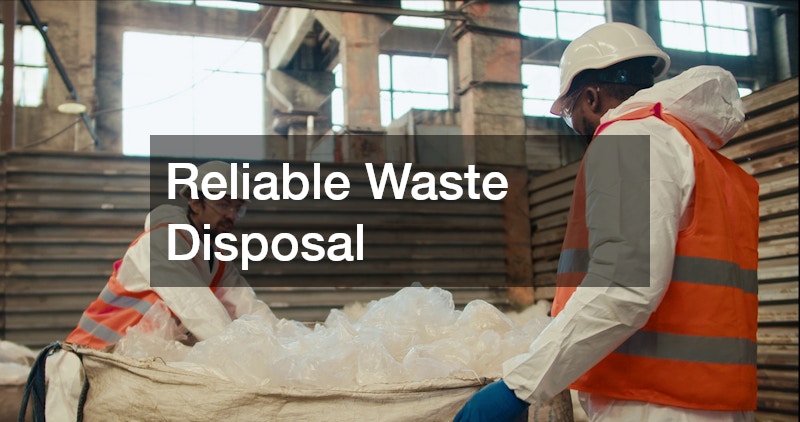
Effective waste management is one of the most visible and impactful steps a company can take toward sustainability. Partnering with a reliable trash pickup business ensures that waste is handled efficiently, responsibly, and in compliance with environmental regulations. Modern waste disposal providers often offer recycling programs, waste audits, and optimized pickup schedules that reduce landfill use and transportation emissions.
A professional trash pickup business can help companies separate recyclable materials from general waste, minimizing contamination and increasing recycling rates. This not only supports environmental goals but also improves workplace cleanliness and safety. Consistent waste removal reduces odors, pests, and clutter, creating a healthier environment for employees and visitors.
In addition to general waste services, many businesses generate sensitive documents that must be disposed of securely. Working with reputable paper shredding companies allows organizations to protect confidential information while also supporting sustainability. Many paper shredding companies recycle shredded paper, turning potential waste into reusable raw material. This closed loop approach reduces deforestation and energy consumption associated with producing new paper.
By choosing waste disposal partners that emphasize recycling, responsible hauling, and transparent reporting, companies can significantly reduce their environmental footprint. These partnerships also demonstrate accountability and commitment to responsible operations, which can strengthen brand reputation and stakeholder trust.
Accredited Recycling Plants
Recycling is a cornerstone of sustainable business operations, but its true impact depends heavily on where and how materials are processed after they leave a facility. Simply placing items in a recycling bin does not guarantee positive environmental outcomes. Partnering with accredited recycling plants ensures that recyclable materials are handled according to established environmental standards, safety guidelines, and industry best practices. These facilities are designed to properly sort, process, and repurpose materials, reducing contamination and minimizing the risk of recyclable waste being diverted to landfills.
Accredited recycling plants invest in advanced equipment and trained personnel to manage a wide range of materials responsibly. This includes separating mixed recyclables, removing non recyclable contaminants, and preparing materials for reuse in manufacturing. Their processes support a more efficient circular economy, where materials remain in use longer and fewer natural resources are consumed. For businesses, this means greater confidence that their recycling efforts are producing measurable and meaningful results.
Working with a trusted metal recycling company is particularly important for businesses in construction, manufacturing, demolition, or facilities management. These industries generate significant volumes of metal waste, including steel beams, aluminum components, wiring, and copper piping. Metals such as steel, aluminum, and copper can be recycled repeatedly without losing strength or quality. A professional metal recycling company helps recover and process these materials efficiently, reducing the need for mining and lowering greenhouse gas emissions associated with raw material extraction and refinement.
Qualified Roofers

A building’s roof plays a critical role in energy efficiency, durability, and environmental performance. Partnering with a qualified roofing company that understands sustainable materials and installation practices can have a lasting impact on a company’s environmental footprint. Modern roofing solutions are designed to improve insulation, reflect heat, and reduce energy consumption throughout the year.
An experienced roofing company can recommend materials that support sustainability goals, such as cool roofs, recycled content shingles, or long lasting membranes that reduce the need for frequent replacements. Proper installation and maintenance prevent leaks and structural damage, extending the lifespan of the building and minimizing waste from repairs.
Energy efficient roofing systems help regulate indoor temperatures, reducing the strain on heating and cooling systems. This leads to lower energy use and reduced greenhouse gas emissions over time. In some cases, a qualified roofing company can also support the installation of solar ready roofs, making it easier to integrate renewable energy solutions in the future.
By choosing roofers who prioritize quality, efficiency, and environmentally responsible materials, businesses can protect their facilities while contributing to long term sustainability. These partnerships support both operational reliability and environmental stewardship.
Environmental Architects
Sustainable buildings begin with thoughtful design. Partnering with environmental architects who specialize in sustainable building design allows companies to reduce environmental impact from the ground up. These professionals consider energy efficiency, material selection, water conservation, and indoor environmental quality throughout the design process.
Sustainable building design focuses on creating structures that use fewer resources while providing healthy and productive spaces for occupants. Environmental architects integrate natural lighting, efficient layouts, and climate responsive features that reduce reliance on artificial heating, cooling, and lighting. This approach lowers energy consumption and operating costs over the life of the building.
Material selection is another critical aspect of sustainable building design. Environmental architects prioritize renewable, recycled, and locally sourced materials that reduce transportation emissions and support responsible resource use. They also consider durability and adaptability, ensuring that buildings can evolve with changing needs rather than requiring demolition or extensive renovations.
Partnering with environmental architects demonstrates a long term commitment to sustainability. These collaborations result in buildings that align with environmental goals, regulatory requirements, and employee well being. Over time, sustainable design choices deliver financial savings and reinforce a company’s reputation as a responsible and forward thinking organization.
Expert Plumbing Specialists

Water conservation is an essential component of environmental responsibility, and plumbing systems play a major role in how efficiently water is used within a business. Partnering with expert plumbing companies that understand water efficient technologies helps organizations reduce consumption, prevent waste, and protect local water resources.
Professional plumbing companies can assess existing systems and recommend upgrades such as low flow fixtures, efficient toilets, and sensor based faucets. These improvements reduce water usage without compromising functionality or hygiene. In commercial settings, even small efficiency gains can lead to significant savings over time.
Leak detection and preventative maintenance are also critical services provided by experienced plumbing companies. Undetected leaks waste water, increase utility costs, and can cause structural damage that leads to costly repairs and material waste. Regular inspections and timely repairs help maintain system efficiency and reliability.
Some plumbing specialists also offer solutions for rainwater harvesting or greywater reuse, depending on local regulations. These systems further reduce reliance on municipal water supplies and support broader sustainability goals. By working with knowledgeable plumbing partners, businesses can manage water responsibly while maintaining safe and efficient operations.
Green Heat and Air Conditioning Companies
Heating and cooling systems are among the largest energy consumers in commercial buildings. Partnering with green focused providers of HVAC services is a powerful way to reduce energy use and emissions. Modern HVAC technologies are designed to deliver comfort while maximizing efficiency and minimizing environmental impact.
Experienced providers of HVAC services can evaluate a building’s needs and recommend systems that are appropriately sized and optimized for performance. High efficiency units, smart thermostats, and advanced controls reduce energy waste and adapt to occupancy patterns. Regular maintenance ensures systems operate at peak efficiency and have longer service lives.
Many green HVAC companies also support the transition to cleaner energy sources, such as electric heat pumps that reduce reliance on fossil fuels. Improved indoor air quality is another benefit, as well maintained systems filter pollutants and regulate humidity, creating healthier work environments.
By partnering with HVAC providers that prioritize sustainability, businesses can lower operating costs while meeting environmental objectives. These collaborations contribute to reduced carbon footprints and demonstrate proactive energy management.
Environmentally Focused Electricians
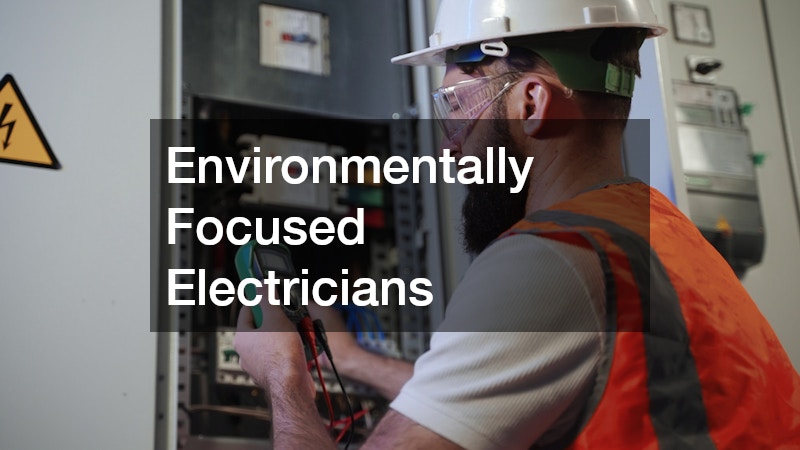
Electrical systems are central to modern business operations, and they offer significant opportunities for sustainability improvements. Partnering with environmentally focused providers of electrician services helps companies upgrade infrastructure, improve efficiency, and support clean energy initiatives.
Professional electrician services include energy efficient lighting installations, such as LED systems that use less power and last longer than traditional bulbs. Electricians can also implement smart controls and automation that reduce unnecessary energy use during off hours. These upgrades deliver immediate savings and long term environmental benefits.
Another important area is the installation of electric vehicle charging station infrastructure. As more employees and customers adopt electric vehicles, providing charging options supports cleaner transportation and reduces emissions. An experienced electrician services provider ensures that charging stations are installed safely, efficiently, and in compliance with local codes.
Environmentally focused electricians can also support renewable energy integration, such as preparing buildings for solar installations or upgrading electrical panels to handle increased loads. These partnerships position companies for future energy transitions while improving current efficiency and reliability.
Cruelty-Free Pest Control
Pest management is often overlooked in sustainability discussions, but it has important environmental and ethical implications. Partnering with local pest control companies that use cruelty free and environmentally responsible methods helps protect ecosystems while maintaining safe and sanitary facilities.
Modern pest control approaches emphasize prevention, monitoring, and targeted treatments rather than broad chemical applications. Many local pest control companies now use integrated pest management strategies that minimize harm to non target species and reduce the use of toxic substances. This approach protects employees, customers, and surrounding wildlife.
Cruelty free pest control methods focus on exclusion, habitat modification, and humane removal where possible. These practices are especially important for businesses that prioritize corporate responsibility and community well being. Reduced chemical use also improves indoor air quality and lowers the risk of contamination.
By choosing environmentally conscious pest control partners, companies demonstrate attention to detail in their sustainability efforts. These partnerships ensure that facilities remain compliant and comfortable without compromising environmental values.
Creating a greener company requires more than internal policies or occasional initiatives. It depends on building strong partnerships with service providers who share a commitment to sustainability, quality, and long term value. From waste management and recycling to building systems and pest control, every operational area offers opportunities to reduce environmental impact.
By working with responsible partners such as a trash pickup business, paper shredding companies, accredited recycling facilities, qualified roofers, environmental architects, plumbing companies, HVAC services providers, electrician services specialists, and local pest control companies, businesses can integrate sustainability into daily operations. These collaborations deliver measurable benefits, including reduced resource consumption, lower emissions, improved efficiency, and healthier work environments.
Strategic partnerships also strengthen a company’s reputation and resilience. They demonstrate accountability to stakeholders and readiness to adapt to evolving environmental expectations. Over time, these relationships help organizations achieve meaningful progress toward sustainability goals while maintaining reliable and professional operations. A greener company is built through thoughtful choices, and the right partnerships make those choices both practical and effective.