
Creating a modern, dynamic commercial environment requires a comprehensive strategy that weaves together structural integrity, aesthetic appeal, functional workflow, and advanced infrastructure. A well-designed commercial facility does far more than host daily operational tasks; it serves as a powerful physical expression of brand identity, a catalyst for employee productivity, and a key driver of long-term commercial value. From high-traffic corporate offices and vibrant retail destinations to expansive industrial facilities, every element of a building contributes to how clients, employees, and stakeholders perceive and interact with a brand. By adopting a holistic design approach, business leaders can transform static physical environments into active growth engines that support strategic goals, streamline operations, and build lasting market prestige.
Achieving this high level of functional elegance demands close collaboration across a broad spectrum of specialized trade professionals and service providers. Elevating a commercial site from a basic structure to an inspiring workspace involves synchronized efforts across exterior branding, interior architectural treatments, specialized climate controls, robust plumbing systems, and advanced security networks. Investing in skilled trade expertise ensures that every architectural detail meets strict compliance standards, offers durable long-term performance, and reflects the highest levels of quality craftsmanship. When structural excellence, modern design aesthetics, and cutting-edge operational technology align, businesses establish a resilient foundation capable of adapting to shifting industry demands and propelling sustainable commercial success for years to come.
1. Building Strong Foundations Through Strategic Construction Services
Every ambitious commercial project begins with rigorous planning, structural evaluation, and comprehensive general contracting. Transforming an outdated floor plan or establishing a ground-up development requires deep technical knowledge to coordinate complex scheduling, manage trade specialists, and oversee code compliance. Partnering with experienced commercial construction services ensures that structural modifications, load-bearing assessments, and spatial reconfigurations are executed with absolute precision. Professional contractors establish a clear project blueprint, aligning architectural vision with physical feasibility to avoid costly timeline delays and operational friction.
Beyond physical framing and layout execution, specialized construction managers navigate the intricate regulatory landscape that governs commercial real estate. From municipal building permits and zoning laws to strict accessibility and safety standards, professional oversight guarantees that every stage of construction complies fully with local mandates. Utilizing top-tier commercial construction services provides property owners with end-to-end project management, guaranteeing that materials, trade schedules, and structural inspections proceed smoothly from initial ground-breaking to the final certificate of occupancy.
2. Enhancing Exterior Impact with Custom Architectural Signage
A commercial property’s exterior forms the critical first impression for visiting clients, prospective talent, and surrounding community members. High-impact exterior branding communicates professionalism, market presence, and brand authority long before visitors cross the threshold. Working with a reputable custom sign company enables organizations to craft distinctive architectural signage, high-visibility dimensional lettering, and illuminated channel logos that proudly display corporate identity. Premium exterior signage acts as a 24/7 landmark, elevating brand recall and distinguishing the business within competitive local markets.
Interior navigation and wayfinding are equally essential to creating a welcoming and efficiently structured commercial environment. Strategic collaboration with a skilled custom sign company results in tailored directional signage, branded wall graphics, directory boards, and compliance-driven ADA signs that integrate seamlessly into overall interior architecture. High-quality materials, cohesive color palettes, and precise typographic design combine to guide staff and visitors effortlessly through complex facilities, reinforcing a sense of organizational excellence at every touchpoint.
3. Integrating Functional Exterior Shielding and Architectural Shades
Architectural window canopies and entryway coverings serve a dual role in modern commercial design, offering vital protection against climate elements while elevating building aesthetics. Partnering with top awning companies allows businesses to install durable, customized shade structures that enhance exterior architectural lines and extend usable outdoor space. Whether shading a high-end restaurant patio, providing weather cover above corporate entrance doors, or shielding exterior walkways, custom awnings shield visitors and physical structures from heavy rain, harsh ultraviolet rays, and extreme heat exposure.
In addition to exterior protection and enhanced curb appeal, custom canvas and metal shading solutions contribute significantly to building energy management. Leading awning companies engineer structures that minimize direct solar gain on exterior glass, dramatically reducing internal ambient temperatures during warm weather seasons. By reducing the thermal strain on building HVAC units, custom awnings help lower monthly utility expenses, lower carbon footprints, and maintain a comfortable interior climate, making them a smart, value-driven investment for forward-thinking commercial property managers.

4. Setting the Aesthetic Tone with Expert Painting Services
Interior and exterior wall finishes set the emotional tone, light reflectivity, and visual energy of a commercial facility. Applying professional paint coatings requires far more than surface color; it demands thorough drywall preparation, moisture testing, surface priming, and precise coating application. Engaging experienced local commercial painters guarantees that interior spaces receive flawless, durable paint applications tailored to withstand high-traffic corporate, healthcare, or retail use. Professional painters utilize low-VOC, fast-curing paint formulations that allow businesses to complete renovations rapidly without causing prolonged operational disruptions or unpleasant fumes.
The choice of color palettes and specialized wall coatings plays a vital role in shaping workforce mindset and brand presence. Top local commercial painters collaborate closely with interior designers to select finishes that boost natural light distribution, delineate distinct operational zones, and evoke focused, productive energy across open office floor plans. High-durability wall finishes resist scuffs, staining, and chemical cleaning agents, ensuring that executive boardrooms, hallways, and collaborative zones maintain a pristine, sophisticated appearance through years of daily operations.
5. Managing Light and Thermal Comfort with Precision Window Coverings
Natural sunlight is an invaluable asset in commercial architecture, brightening workspaces and supporting employee well-being. However, unmanaged sunlight can create disruptive glare on computer monitors and lead to uneven indoor temperatures. Installing a tailored commercial window treatment solution allows facility managers to precisely control solar glare, maintain comfortable light levels, and preserve views of the outside world. From heavy-duty roller shades and motorized blinds to specialized solar protection films, modern window coverings transform harsh sunlight into balanced, productive natural illumination.
Energy efficiency is another compelling benefit of professional window shading solutions. Implementing an automated commercial window treatment system allows window coverings to dynamically raise or lower based on sunlight intensity and time of day, optimizing indoor climate control without manual intervention. By acting as an insulating barrier against solar heat gain in summer and thermal loss during winter, high-performance commercial shades lower HVAC workloads, cut recurring overhead expenses, and support sustainable building standards across large office parks and commercial centers.
6. Modernizing Core Infrastructure with Specialized Electrical Contracting
A reliable, scalable electrical grid forms the technological backbone of every modern commercial facility. From powering high-density data centers and specialized manufacturing machinery to powering ambient LED lighting systems, robust electrical capacity is vital to uninterrupted operations. Partnering with a licensed commercial electrical contractor guarantees that building wiring, power distribution panels, and emergency generator systems are safely installed and fully compliant with the National Electrical Code (NEC). Skilled electricians assess immediate power requirements while engineering expandable systems capable of supporting future technological additions.
Modern electrical planning also focuses heavily on energy management, smart building integration, and operational safety. A qualified commercial electrical contractor designs energy-efficient lighting networks, sensor-driven controls, and automated power management systems that cut electric consumption while improving workspace visibility. By performing routine thermal inspections, power load balancing, and panel upgrades, electrical specialists safeguard sensitive electronic hardware, reduce fire risks, and keep commercial facilities running smoothly day in and day out.

7. Ensuring Sanitary Excellence and Operational Continuity with Professional Plumbing
Commercial plumbing systems must withstand heavy, continuous usage while adhering to strict public health and safety standards. Complex plumbing architecture encompasses main supply lines, high-capacity water heaters, backflow prevention assemblies, and extensive drainage networks. Engaging certified commercial plumbers guarantees that plumbing installations, fixtures, and waste disposal systems are built to withstand heavy daily demands without experiencing premature failures or sudden line backups. Skilled plumbers handle comprehensive rough-ins during early construction phases and perform routine maintenance to support smooth, hygienic facility management.
Unexpected plumbing emergencies can disrupt business operations, lead to health code violations, and cause costly property damage. Experienced commercial plumbers offer proactive inspection services, utilizing advanced video drain diagnostics and leak detection technology to resolve minor plumbing issues before they turn into major structural emergencies. Furthermore, plumbing contractors assist organizations in converting to high-efficiency, touchless plumbing fixtures that conserve water, improve hygiene in public restrooms, and reinforce modern sustainability goals.
8. Elevating Architectural Durability and Comfort with Commercial Flooring
Flooring represents one of the most heavily used surfaces in any commercial facility, enduring constant foot traffic, heavy furniture movement, and frequent cleaning cycles. Selecting the right flooring material—such as luxury vinyl tile (LVT), heavy-duty commercial carpet tile, polished concrete, or seamless epoxy—requires balancing aesthetic preferences, acoustic control, and wear resistance. Specialized commercial flooring installers ensure proper subfloor leveling, moisture testing, and seam sealing to prevent premature lifting, bubbling, or structural failure across expansive floor plans.
Beyond visual impact and structural durability, high-performance flooring systems contribute to indoor acoustic comfort and physical safety. Investing in quality commercial flooring helps absorb ambient noise, reduce echoes in high-ceiling environments, and provide slip-resistant surfaces that protect employees and visitors from workplace accidents. Choosing stain-resistant, easy-to-clean flooring materials lowers ongoing janitorial expenses while preserving a fresh, professional aesthetic across high-traffic entryways, corridors, and communal spaces.
9. Protecting Physical Assets with Precision Security Hardware Installation
Safeguarding valuable physical assets, intellectual property, and personnel requires a robust, modern approach to perimeter defense and access control. High-security commercial environments rely on layered security protocols that combine physical locking mechanisms with digital access points. Professional security hardware installation ensures that exterior entryways, interior office doors, restricted storage areas, and server rooms are secured using commercial-grade locks, electronic keypads, card readers, and heavy-duty panic bars. Expert installation guarantees seamless integration between mechanical lock systems and digital security software.
Life safety compliance is another crucial aspect of commercial security infrastructure. Certified security hardware installation specialists ensure that panic hardware, delayed-egress locks, and automatic door operators fully comply with local fire codes, building regulations, and ADA accessibility guidelines. Properly installed physical security hardware allows emergency exits to open instantly from the inside during crisis situations while preventing unauthorized entry from the exterior, maintaining a safe, compliant environment for employees and clients alike.
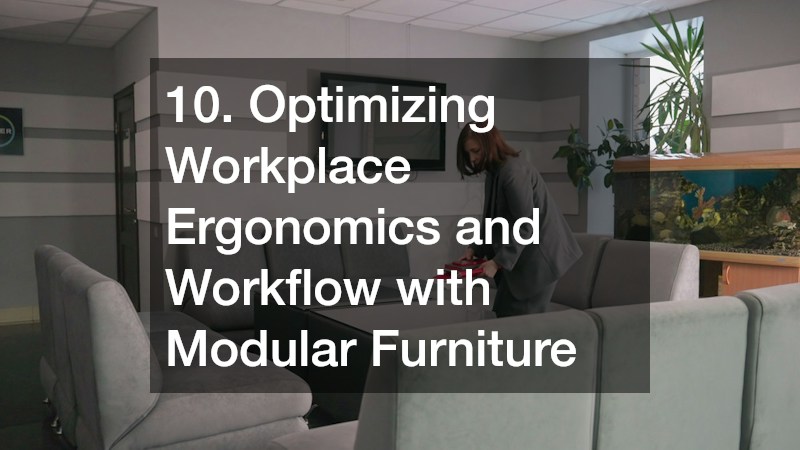
10. Optimizing Workplace Ergonomics and Workflow with Modular Furniture
The selection and layout of commercial furniture directly impact employee health, collaboration, and everyday workflow efficiency. Modern workplaces require flexible furniture solutions that cater to diverse work styles, from focused individual tasks to dynamic group brainstorming sessions. Partnering with an established commercial furniture company gives businesses access to high-durability modular workstations, height-adjustable standing desks, ergonomic executive seating, and flexible conference room tables built for continuous commercial use.
Ergonomic furniture design plays a powerful role in boosting workplace satisfaction and mitigating physical fatigue. A professional commercial furniture company provides expert spatial planning services, helping organizations optimize floor plans to maximize usable square footage, improve natural light flow, and encourage healthy movement throughout the workday. Outfitting offices with high-quality, ergonomic seating and adaptive work surfaces demonstrates a strong commitment to employee wellness, boosting morale, reducing workplace strain injuries, and driving sustained operational output.
11. Creating Inspiring Public and Collaborative Gathering Zones
In modern commercial facility design, communal areas such as main reception lobbies, staff breakrooms, cafeteria hubs, and outdoor courtyards serve as crucial focal points for workplace culture. These spaces foster spontaneous social interactions, relax team members during busy shifts, and create a warm, memorable experience for visiting clients. Designing public gathering zones involves blending plush, durable lounge seating, accessible power hubs, and natural design elements to create comfortable environments that inspire creative collaboration and relaxation.
Integrating high-performance surfaces, acoustic baffles, and flexible furniture arrangements in communal spaces ensures these areas can serve multiple operational purposes. Multi-functional lounge areas can easily transition from informal morning strategy sessions into afternoon team presentations or evening networking receptions. Equipping public zones with durable, low-maintenance materials allows commercial facilities to host large gatherings without sacrificing aesthetic standards, establishing a welcoming corporate culture that attracts and retains top-tier talent.
12. Unifying Technical Infrastructure for Long-Term Value
The true test of exceptional commercial design lies in how seamlessly various architectural finishes, mechanical systems, and technological components work together over time. Integrating smart building automation systems allows facility managers to oversee climate controls, lighting schedules, security alerts, and energy consumption from a centralized digital interface. Cross-disciplinary synchronization ensures that electrical wiring matches furniture layout points, plumbing lines align with breakroom configurations, and acoustic wall panels complement public lighting designs.
Investing in high-quality materials and professional trade craftsmanship yields substantial financial returns over the life cycle of a commercial building. Sustainable construction practices, energy-efficient utility installations, and high-durability interior finishes minimize ongoing maintenance downtime and lower overall operational expenses. By taking a unified, holistic approach to facility development, business leaders build flexible, future-proof environments that adapt to emerging industry trends, protect capital investments, and drive continuous organizational growth.
Transforming a commercial space into an energetic, efficient, and visually stunning environment is a strategic investment that yields ongoing dividends across every aspect of business operations. By uniting high-impact exterior architectural details with sophisticated interior finishes, robust utility grids, and ergonomic furniture layouts, companies construct inspiring spaces that boost workforce performance and elevate corporate brand reputation. Every structural upgrade, decorative enhancement, and technological integration contributes directly to a cohesive, highly functional business ecosystem.
Success in commercial facility design relies on engaging expert trade professionals who bring specialized knowledge, precision craftsmanship, and deep regulatory experience to every phase of development. From foundational structural alterations and high-efficiency technical systems to fine interior finishes and advanced security frameworks, professional trade collaboration guarantees long-term durability and safety. Embracing a comprehensive strategy for commercial space optimization enables organizations to foster innovation, elevate client engagement, and maintain a decisive competitive edge in today’s dynamic business environment.