
Business growth is often associated with major decisions such as entering new markets, launching products, increasing sales, or investing in new technology. While these strategies can influence a company’s direction, sustainable growth also depends on the smaller details that shape everyday operations. How efficiently employees communicate, how well a facility is maintained, how smoothly customers move through the buying process, and how consistently routine tasks are handled can all affect a company’s ability to perform and grow.
Some of the most important factors are easy to overlook because they rarely attract attention when everything is working properly. Clean and organized workspaces, reliable equipment, secure data, clear internal procedures, responsive customer service, and well-maintained facilities can quietly support productivity and reduce disruptions. These overlooked details in business may seem minor individually, but recurring inefficiencies can add unnecessary costs and make it harder for a company to respond to new opportunities.
Paying attention to these areas can also reveal practical opportunities for improvement. A business may discover that outdated processes are slowing employees down, poor maintenance is increasing operating costs, or communication gaps are affecting customer satisfaction. Addressing these issues does not always require a major investment. In many cases, consistent maintenance, better organization, clearer procedures, and thoughtful improvements can make daily operations more effective.
In this guide, we’ll explore the small but meaningful details that can influence business performance and support long-term growth. By looking beyond high-level strategies and examining how a company operates from day to day, business owners and leaders can identify opportunities to reduce friction, strengthen operations, and build a more reliable foundation for continued growth.
The Physical Threshold: First Impressions and Exterior Infrastructure

Long before a prospective client speaks to a sales representative, reviews a service agreement, or tests a product, they form an unconscious evaluation based on the physical environment of the enterprise. The external condition of a business facility communicates discipline, financial health, and respect for standards before a single word is exchanged in a formal meeting. A neglected exterior silently signals to clients, partners, and employees that operational standards are lax and details are routinely overlooked.
The journey into a corporate campus or retail center begins in the parking area and driveway. The smooth arrival of visitors depends heavily on the physical integrity of driving surfaces, which are continuously degraded by weather conditions, heavy vehicle loads, and chemical exposure. When pavement begins to crumble or develop unsightly cracks, relying on experienced commercial asphalt contractors becomes essential to maintain both safety and aesthetic appeal. Neglecting surface cracks allows water to penetrate deeper into the sub-base, leading to severe structural failure that requires far more invasive intervention later.
Beyond localized patch jobs, overall site accessibility demands holistic maintenance and planning to prevent long-term surface degradation. Investing in high-grade commercial paving ensures that heavy delivery trucks and daily employee traffic do not degrade the entryway over time. A pristine, clearly marked parking area facilitates seamless foot and vehicular traffic, reduces slip-and-fall liabilities, and immediately establishes an aura of professionalism.
Perimeter management represents another crucial detail that influences both real security and public perception. A facility with sagging barriers, broken gates, or unkempt property lines projects vulnerability and disorder. Establishing clear perimeter boundaries through professional commercial fencing services protects valuable physical assets while projecting an image of order and security. Properly specified fencing defines operational zones, deters unauthorized entry, and visually frames the corporate premises in a clean, professional manner.
Once a visitor steps through the front door, the interior atmosphere must sustain the positive impression generated by the exterior. Flooring in commercial facilities absorbs relentless punishment from foot traffic, rolled equipment, spilled liquids, and outdoor debris. Scuffed, stained, or torn floor coverings suggest a lack of internal discipline and care. Working with established commercial flooring companies allows organizations to select durable surfaces that withstand high foot traffic while sustaining a professional ambiance. Clean, resilient flooring reduces maintenance overhead, protects worker safety, and quietly reinforces the commitment to quality that defines top-tier enterprises.
Operational Logistics and the Silent Efficiency of Waste Management
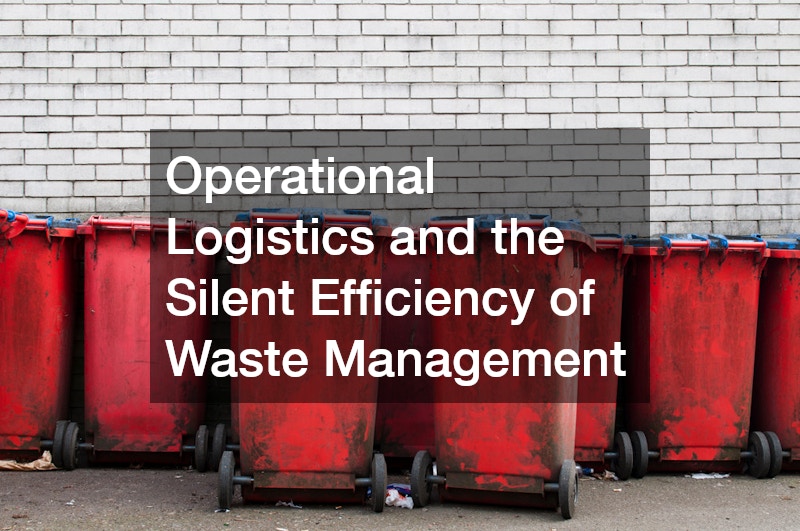
While front-facing aesthetics influence client perception, back-end logistics determine daily operational speed and employee performance. Waste management and physical space optimization are frequently treated as minor utility costs rather than core strategic functions. However, chaotic backrooms, overflowing refuse containers, and disorganized storage spaces introduce subtle delays that compound into significant financial losses across a fiscal year.
A clean facility is not merely a cosmetic choice; it is a fundamental prerequisite for high employee productivity and safety. Facilities that generate substantial daily waste, such as manufacturing plants, fulfillment hubs, or large retail operations, require disciplined waste containment strategies. Positioning durable commercial trash dumpsters at key facility access points keeps daily refuse out of sight and prevents health hazards from emerging. Proper refuse placement streamlines the daily cleanup routines of custodial staff, keeping work aisles clear and preventing unnecessary fire hazards.
During periods of physical expansion, facility redesign, or major site cleanouts, standard garbage collection systems quickly become overwhelmed. Leaving construction debris or discarded furniture in functional work zones creates physical bottlenecks and increases the risk of workplace injuries. During large-scale office renovations or seasonal facility overhauls, utilizing flexible dumpster rentals provides the temporary capacity necessary to keep working areas clean and hazard-free. Having immediate, scalable waste collection mechanisms allows project teams to focus on structural upgrades without stumbling over accumulated refuse.
Organizing functional inventory and long-term equipment requires equal administrative diligence. As companies grow, physical assets inevitably multiply, often crowding functional operational space and reducing overall floor efficiency. Sourcing equipment from a recommended storage container company offers an efficient way to expand secure capacity without committing to costly real estate expansions. Weatherproof, secure container units placed on-site keep surplus tools, raw materials, and archival documentation organized, allowing primary facilities to remain uncluttered and focused exclusively on primary production activities.
Structural Integrity Above and Digital Perimeter Within
Building management requires a proactive mindset, as reactive responses to structural failures are invariably far more expensive than routine upkeep. The most critical structural elements are often those that remain hidden from daily view, located either high above the working area or embedded within digital network channels.
The roof of a commercial structure represents a constant battle against physical environmental factors including ultraviolet radiation, thermal expansion, dynamic wind loads, and heavy rainfall. A minor leak in a roofing membrane can quietly saturate insulation, rot internal support beams, and encourage mold growth long before water drips into an office suite. Addressing minor leaks quickly through targeted commercial roof repairs prevents structural timber rot and protects expensive office equipment below. Deferred roof maintenance frequently transforms small sealant gaps into catastrophic structural emergencies that require facility shutdowns.
To avoid unexpected disruption, proactive facility managers rely on regular physical audits and preventive maintenance programs. Selecting a dependable commercial roofing contractor ensures comprehensive regular maintenance programs that extend the overall lifespan of the entire facility. Professional roof management includes routine clearings of drainage channels, thermal imaging to identify hidden moisture pockets, and structural assessments after major weather events, protecting both real estate value and internal operations.
In the contemporary economy, physical asset protection must be mirrored by equal vigilance across digital architecture. Information networks contain proprietary trade secrets, financial records, client databases, and operational software that keep the business running. A single breach can cause devastating financial loss and permanently destroy customer trust built over decades. Simultaneously, engaging a specialized cyber security company fortifies the internal network against invisible digital threats that could otherwise paralyze day-to-day operations. Cyber defense requires continuous monitoring, multi-factor authentication systems, routine employee training, and off-site data backups to ensure business continuity regardless of external threat environments.
Micro-Behaviors, Processes, and Organizational Culture
Beyond physical property and digital networks, the most influential overlooked details live within human interaction, internal communication, and organizational culture. Systems are ultimately operated by people, and minor behavioral habits collectively aggregate into the overall operational standard of an organization.
Consider internal communication habits. When email responses are prompt, meeting minutes are accurately logged, and project updates are communicated transparently, internal friction drops to near zero. Conversely, when employees regularly miss small communication deadlines, misunderstandings compound, leading to missed deliverables, redundant effort, and internal frustration. Establishing clear standards for routine communication ensures that information flows efficiently through the organization without unnecessary delay.
Standard Operating Procedures (SOPs) provide the backbone of operational repeatability. High-performing organizations do not rely on individual genius or heroic single-handed efforts; they rely on meticulously detailed processes that yield consistent results regardless of who performs the task. When procedures for routine tasks—such as client onboarding, inventory auditing, or quality control—are clearly documented and rigorously audited, operational quality remains consistently high even during periods of rapid team expansion or personnel turnover.
Pay close attention to employee ergonomics and daily comfort. Sub-optimal workstation setups, harsh artificial lighting, and inconsistent climate control create subtle physical discomfort that reduces cognitive focus over time. Providing comfortable seating, proper monitor alignment, and clean, quiet break areas directly enhances daily focus, reduces absenteeism, and signals to team members that their health and well-being are genuinely valued by leadership.
The Psychological Ripple of Uncompromising Quality
The strategic focus on operational details creates a profound psychological ripple effect throughout an organization’s internal workforce and external vendor network. When management demonstrates an unyielding commitment to maintaining physical facilities, streamlining logistics, and enforcing digital security, it establishes an implicit standard of care. Employees subconsciously mirror the discipline they observe in their working environment. In a workspace where entryways are clean, tools are systematically organized, and administrative systems run without friction, staff members naturally take greater pride in their individual output. Precision becomes the accepted cultural norm rather than an enforced mandate, reducing human error across every department.
This cultural commitment to detail also radically alters external relationships with vendors, suppliers, and strategic partners. Supply chain partners quickly recognize which clients demand exactness and which tolerate slack execution. When an enterprise consistently insists on timely facility updates, rigorous contract adherence, and immaculate site logistics, vendors elevate their own service delivery to match those expectations. Deliveries arrive on schedule, raw material specifications are met without deviation, and third-party contractors assign their best personnel to the account. This mutual alignment around high operational standards minimizes costly project delays and reinforces a supply chain built on reliability.
Ultimately, an organization that masters small operational details builds a brand reputation rooted in authentic trust rather than slick marketing. Long-term market dominance is rarely built on dramatic, momentary triumphs; it is earned through the flawless, quiet repetition of daily operational excellence. When every touchpoint—from physical properties and waste systems to digital defenses and daily communication—is managed with deliberate precision, a business constructs a durable competitive moat. In an increasingly unpredictable market, this relentless focus on the minor details provides the structural stability required to withstand economic shifts and secure sustainable success for decades to come.
The Financial Ripple Effect of Operational Diligence
Every operational detail carries a direct financial consequence, either as a proactive investment or a delayed liability. When leadership treats small operational choices with rigorous attention, the compound interest of good management accumulates quickly.
-
Preventive maintenance costs a small fraction of emergency repair work and protects long-term real estate valuations.
-
Organized, waste-free workspaces increase labor efficiency by eliminating lost time spent navigating cluttered corridors or searching for misplaced equipment.
-
Robust digital protection prevents costly ransom demands, legal penalties, and complex public relations recovery campaigns following data compromise.
-
Consistent micro-execution in client services drives high customer retention rates, dramatically reducing customer acquisition costs over time.
Clients rarely sever a commercial relationship due to a single catastrophic event. Instead, client attrition is usually driven by a series of minor, unaddressed grievances: a delayed invoice correction, an unkempt meeting room, a minor quality variation, or a slow email response. By eliminating these small friction points, an organization builds a reputation for reliability that commands premium pricing and drives sustained market leadership.
Turn Small Improvements Into Lasting Growth
Business growth is not always driven by major changes or expensive investments. Often, meaningful progress comes from identifying where daily operations can work better and making steady improvements over time. Small changes to maintenance, communication, workplace organization, customer service, security, and internal procedures can strengthen how a company operates.
Leaders can start by reviewing the areas that receive the least attention and determining whether they create unnecessary costs, delays, safety concerns, or customer frustrations. Assigning responsibility for these areas and regularly checking performance can make improvements easier to maintain. It also helps businesses identify problems before they become larger operational setbacks.
The goal is not to perfect every process at once. It is to create a culture of continuous improvement where small issues are addressed, useful practices are maintained, and successful changes are expanded as the business grows. When everyday operations are managed with the same care as larger strategic decisions, companies can build a stronger foundation for efficiency, resilience, and sustainable growth.